·
Boston Organics Twitter
Boston Organics Facebook
Boston Organics Pinterest
Boston Organics Youtube
Boston Organics Blog
 

Archive for the ‘Growers’ Category

Grower Spotlight ~ Red Fire Farm

Thursday, April 25th, 2013

We had an opportunity to visit the good people of Red Fire Farm this spring.

Red Fire Farm Tour

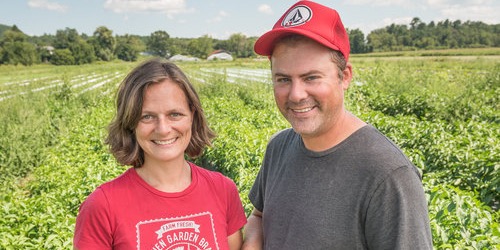
Red Fire Farm is a 178 acre organic farm split between the towns of Montague and Granby, Massachusetts. The farm is owned and operated by Ryan and Sarah Voiland and their crew of dedicated farm hands, managers, and office workers who help keep the farm in working order.

The farm has about 100 acres in organic food production supplying their wholesale, CSA, and farm stand business. The farm does everything from seeding and harvesting to packing and shipping.  This past winter they supplied us with beautiful carrots, celeriac, turnips, cabbage, watermelon radishes, and other exquisite root crops.

Upon arrival at the farm, Ryan showed us a map of the new acreage on the Montague property and explained that the soil in this area of the Pioneer Valley is especially fertile. He told us that part of the Montague farm lies between two rivers – the Saw Mill River and the Connecticut. The rivers’ mineral rich waters produce a soil that is rich in nutrients and excellent for farming.  After the overview of the land, Ryan showed us around the farm.


Greenhouse

The greenhouse is filled with plants started from seed. Soon all of these veggies will be in the ground!

Vegetable Transplants

Vegetables started from seed and hardened off outside are ready to transplant into the fields.

Transplanter

The transplanter is loaded up and headed to the fields.

Field of Garlic

A field full of garlic and an iconic Massachusetts tobacco barn which Red Fire uses for their tractors.

Tomato Grafting

Ryan shows Jeff how the they graft each individual tomato plant by hand. Grafting is the process of merging a root stem from one plant to another. Ryan is grafting a particularly flavorful tomato variety to a root stock that is more resilient. Red Fire Farm grows 150 varieties of tomatoes.

Packaging Manager

Red Fire’s packaging manager preps the last of the seasons potatoes.

Red Fire Truck

Red Fire Farm does all of its own distribution.


We had a great time touring the farm and hope to continue working with them in the future. Take a look at our Facebook page for more photos of our farm tour!


New Add-On: Potted Organic Basil from Happy Valley Organics!

Friday, April 12th, 2013

Local Organic Basil

Spring brings the beginning of many new flavors, including fresh herbs! We’re excited to begin offering fresh, locally-grown organic herbs in boxes and as add-ons from Happy Valley Organics of Whately, MA.

We’re bringing in herb season with a bang. Our first herb of the season is a crowd favorite, and one of our favorite aromas – fresh basil!  Not only will we have 3/4 oz containers of organic basil going out in boxes next week; we also have potted basil plants available as add-ons for $2.75.


Keeping a Basil Plant Alive:

Basil plants are fairly sensitive. Here are a few tips to keep your basil plant alive and healthy:

  • Water: Keep the basil moist. Water regularly so the soil doesn’t dry up, but don’t let it get too soggy.
  • Sunlight: Basil loves sunlight, so make sure it’s kept in a place where it can get sun throughout the day. If you’re keeping the plant indoors, a sunny window is best!
  • Remove flower buds: Pick off any flower buds. When the plant starts flowering, all of its energy will go to the flowers, so pinch them off.
  • Use frequently: Taking off big leaves makes room for little ones to grow. One trick we’ve heard is to leave the bottom two leaves on each stem. The good news is that it shouldn’t be hard to use fresh basil on a regular basis!
Basil Recipes

If you ever need recipes to help you get through the abundance of fresh basil coming your way, we have basil recipes galore! When in doubt, a big batch of pesto goes with anything and can be frozen for later use.

Click here to add a basil plant to your order!


Dogma Box – April 11, 2013

Thursday, April 11th, 2013

Our Dogma Box includes produce sourced as close to Boston as possible throughout the year. Similar to a CSA, this box is filled with the best organic produce from local and regional farms.

This week’s Dogma Box includes some of the cold weather root crops that we’ve been enjoying throughout the winter along with fresh flavors of cucumbers and Jonathan’s Munchin’ Mix of sprouts! These sprouts are a refreshing mix of peas, lentils, and adzuki beans, and they make a delicious and nutritious snack and salad topping.

Boston Organics Dogma Box

This week’s Dogma Box contains:

  • Empire Apples – Dwight Miller Orchards (E. Dummerston, VT)
  • Sunchokes – Deep Root Organic Coop (Johnson, VT)
  • Cucumbers – Deep Root Organic Coop (Johnson, VT)
  • Parsnips – Winter Moon Farm (Hadley, MA)
  • Potatoes – Nature’s Circle Farm (Houlton, ME)
  • Beets – Winter Moon Farm (Hadley, MA)
  • Sprouts – Jonathan’s Organics (Rochester, MA)
  • Rutabaga – Nature’s Circle Farm (Houlton, ME)

Why isn’t there more variety this time of year?

Sourcing locally can be a great challenge during the springtime in New England. We’re currently in a transitional period for local produce, as farmers are preparing for the local season ahead and most crops haven’t started yet. While this means we have a ton of great local produce to look forward to, in the interim it can be difficult to find a wide variety of crops to include in the Dogma Box. Fortunately, over the next few weeks we will start to see more signs of spring with fresh herbs and more veggie varieties as they come into season.

We hope you enjoy this delicious bounty of New England farms!


Spring-Dug Parsnips – Candy of the Root Crop

Friday, April 5th, 2013

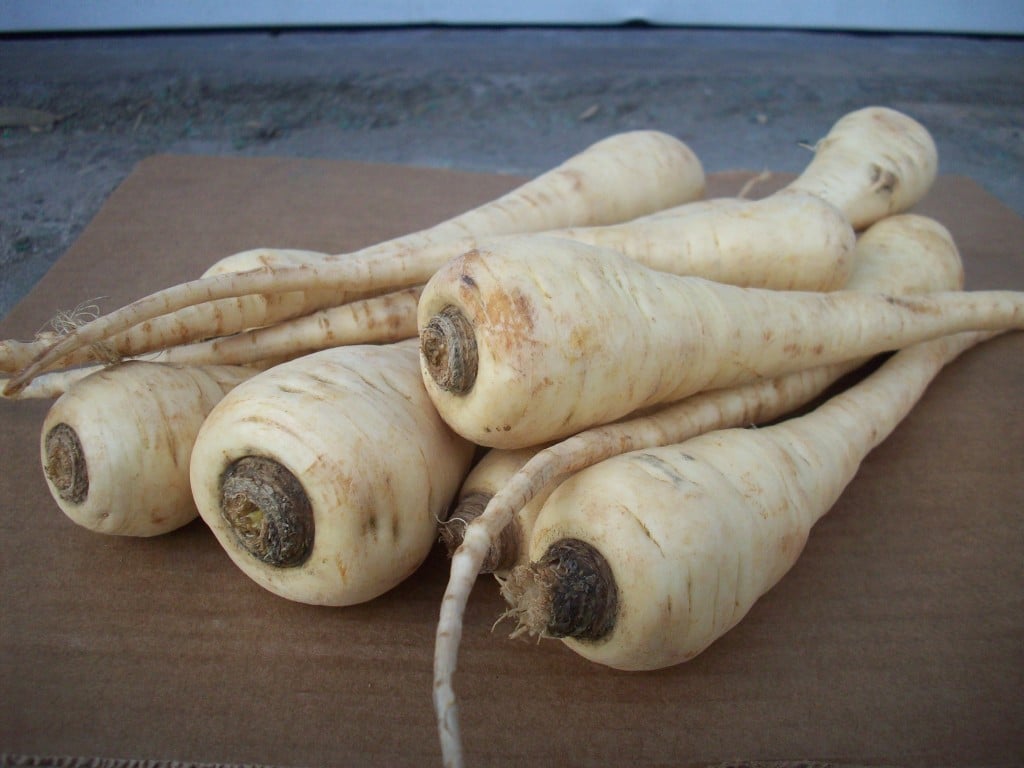
Next week we’re getting a special local crop from the fields of Winter Moon Farm – spring-dug organic parsnips! Unbelievably sweet and flavorful, these parsnips are a food-lover’s best friend.

You’re probably thinking with serious chagrin, “More parsnips?! But winter is over!” Winter may be over, but these are spring-dug parsnips – the cream of the crop!

Winter Moon Farm - Spring Dug Parsnips

What makes spring-dug parsnips special?

These are parsnips that were planted last spring and have been left in the ground over the winter to deep freeze. When parsnips are left in the ground throughout the winter, the extreme cold converts the starches into sugar and allows the parsnips’ flavor to mellow, giving way to a brilliant sweetness.

Never had parsnips? If you like carrots, you’re pretty much guaranteed to enjoy parsnips. Sweeter than carrots and more versatile, these parsnips become sweet, nutty, and succulent when cooked. Parsnips can be roasted or used in chowder, soups, and purees. You can even make parsnip wine!

We know many of you have parsnips on your No-List, but we want you to give these guys a try! There’s no better time to try ‘em, so we recommend taking them off your No-List just for a week to get a taste of this once-a-year treasure.

These parsnips will be fresh out of the ground next week, so make sure you update your accounts this weekend or you’ll miss out on this sweet spring treat!


What do you do with spring-dug parsnips?


1. Make Chowder

Spring Dug Parsnip Chowder

2. Fry them up into fritters


Spring-Dug Parsnip Fritters w/ Horseradish Cream

3.  Make parsnip soup

Potage of Spring-Dug Parsnips

4. Puff them up in a souffle

Parsnip Souffles

We hope you enjoy this sweet gift of the snow! Check out our Parsnip page for nutritional information, cooking tips, and more recipes!


Grower Spotlight: Deep Root Organic Co-op!

Thursday, March 28th, 2013

Deep Root Organic Coop

Last week Anthony Mirisciotta of Deep Root Organic Co-op made the trek down from Vermont to meet with us. Anthony is our point of contact for ordering produce from Deep Root, and we were happy to finally meet him in person after working with him for the past few years.

Deep Root Organic Co-Op is one of our main suppliers during the winter, providing access to quality crops from a number of small, family owned organic farms in Vermont. Founded in 1986, and they’re one of the oldest co-ops of organic vegetable growers in the United States. The co-op exists to promote local, sustainable, and organic agriculture through its small, family owned farms. Member farms grow all manner of fruits and vegetables, but they’re best known for their coop namesake, root vegetables! We work with Deep Root mostly in the colder months, sourcing root crops such as potatoes, radishes, beets, rutabagas, and parsnips.

Anthony told us that they currently have 26 farm members, including farmers across Vermont and the eastern townships of Quebec. Being organized as a co-op enables members to focus on their individual farms, while negotiating with buyers and marketing their products as a group. Collectively, their produce is sold to retail establishments, restaurants, and other institutions.

With the demand for fresh, healthy produce on the rise, it’s no surprise that the co-op had their biggest year ever in 2012! We look forward to a continued partnership with  Deep Root, which means more of that quality local, organic produce that our customers depend on. Thanks to Anthony and the crew for their hard work!


Weekly Newsletter – March 18, 2013

Monday, March 18th, 2013

Swiss Chard

Last week we launched our 2013 Customer Survey so we can learn more about your Boston Organics experience and figure out ways to improve our service. We have already received a lot of insightful information and we look forward to reviewing everything! This week’s vegetable boxes will be getting a taste of spring with some Swiss chard, sweet potatoes, and bok choy! Check out this week’s newsletter!


Dogma Box – March 5, 2013

Tuesday, March 5th, 2013

The Dogma Box includes produce sourced as close to Boston as possible. Similar to a CSA, this box is filled with the best organic produce from local and regional farms.

Dogma Box March 5th

This week’s Dogma Box contains:

Stay warm and enjoy these local winter offerings.


Farmer Spotlight: Shaw Farm Dracut, MA

Friday, January 11th, 2013

Shaw Farm dairy truck


Visit 12/21/12

We try to make an effort to visit our local growers and vendors at least once a year, and a few weeks ago we took a trip out to our new organic milk supplier, Shaw Farm of Dracut, Massachusetts! Located just an hour north of our Charlestown office, this family-owned dairy farm is about as local as it gets for Boston. After tasting some of their legendary eggnog and other products, we’re tempted to make our visits more frequent.

Shaw Farm operates their own farm store with fresh milk, ice cream, and even baked goods. The farm store is heated by geothermal energy – a renewable energy created by the heat found below the earth’s surface. It not only helps with their energy bill, but it also reduces greenhouse gas emissions on the farm.

 1.       Story and history of Shaw Farm

Since 1908 Shaw Farm has been providing high quality local dairy products to the Merrimack Valley. Located in Dracut, MA, the farm offers fresh milk, ice cream, and many other local products. Their tagline – “if they say it’s homemade, ask to see their cows” – reminds us of the true farm-to-table process and begs us to ask the question where does our food come from?

2.       Why did they start the organic brand?

In 2007 Shaw Farm began to market its own “certified organic” milk products under the name New England Organic Creamery. Owner, Warren Shaw says changes in the marketplace driven by consumer demand for local organic milk have made this change important to the future of the farm. He saw that there was a demand for organic milk and realized that the transition to become certified organic was fairly simple since the farm already operated under many of the organic standards. Now they are the only certified organic milk producer in Massachusetts.


Shaw Cow

On extremely rainy days the cows stay indoors to prevent slips in the field. These girls are staying dry in the dairy barn!


3.       How are the cows fed?

Shaw Farm has 16 cows that make up the organic herd. The cows go out in the morning to graze on organic pasture and relax in the field during the day. The majority of the organic herd’s diet consists of organic grass from their pasture and is supplemented with organic grains. Three generations of Shaw’s take care of the 150 acres of nutrient rich orchard grasses that help give the cows their proper protein and fiber.  Warren also explained that he has never used antibiotics, growth hormones or anything that might taint the organic milk or harm his cattle.

4.       How does farm legislation affect the Shaw Farm business and operations?

The recent nine-month extension of the federal farm bill allowed Shaw Farm to avoid an immediate rise in conventional milk prices. We asked Warren how the farm bill and other dairy industry legislation might affect his business, and he explained that federal milk subsidies and regulations only impact dairy farms that belong to co-ops, not independent dairy farmers like himself.

Because of Shaw Farm’s proximity to the city and densely concentrated population, they have direct access to a large customer base and are able to provide dairy directly to customers and retailers, such as Boston Organics. Because of our collective support, Shaw Farm will be able to thrive, operate, and continue their environmental stewardship of the land that has been in the Shaw family for several generations.


Prop 37 – Well, What Now?

Monday, November 26th, 2012

Yes on 37 Demonstrators

What Happened with Prop 37 and Where Do We Go From Here?

As you have probably heard by now, Proposition 37 – California’s controversial ballot question requiring the mandatory labeling of GMOs – sputtered and stalled in the polls.

So what happened?

The proposition failed by a relatively small margin – 46.9 percent to 53.1 percent – leaving the bill motionless and many people upset. The big food industry heavily contributed to “No on 37,” an anti-labeling campaign that spent over $45 million, outspending the pro-labeling camp by roughly six to one. Their large budget facilitated the release of an aggressive advertising campaign which claimed that food prices for California families would increase by $400 per year, scaring uninformed Californians to vote no. We had been watching the Prop 37 debate closely, and like many people, felt wary about the results.

What does it mean?

Despite the proposition’s defeat, we believe we have reason to feel good about what happened this past Nov. 6th. We met with natural foods movement pioneer and Organic Valley Coop’s Mission Executive Theresa Marquez to discuss the current state of the organic industry and how we can move forward in advocating for greater food transparency. Theresa believes the sun will shine on the mandatory labeling campaign again.

The fact that GMO labeling was on the ballot in California, and brought millions of voters to the polls in support, was a success in and of itself. The media coverage has helped propel the issues of GMO policy, research, and transparency to the forefront of the nation’s attention. The press coverage has sparked new discussions, raised the public voice on the importance of knowing what is in their food, and will hopefully bring optimism to GMO labeling on the next ballot.

There is also word that Washington State is putting together a GMO labeling law that could be up for voting as early as 2013. We suspect other states will follow. The general sense of optimism is a great sign for the future; with hard working food activists like Theresa Marquez and educated voters at the polls, food reform can be possible.

What’s next?

There is still a lot of work to be done, and you don’t have to be in California or a well-known food pioneer to make a difference. Though GMOs are not currently labeled, there are other labels that can help you make better informed decisions at the grocery store.

  • Because GMOs are not allowed in USDA certified organic products, buying certified organic is a 100% guarantee for GMO-free food. If you’re not sure where to start, people have found the Dirty Dozen list to be helpful in deciding which fruits and vegetables to start buying organic.
  • Look for Non-GMO verified products.

Take Action!

1.  Vote with your dollars. As sales of organic and non-GMO verified products increase, more businesses will be motivated to serve this growing market.

2.  Sign petitions to let key decision-makers know that we want foods labeled if they contain GMOs!

3.  Keep up with the conversation by following organizations that are working to improve GMO transparency:

As a customer of Boston Organics, you can be sure that your food is free from synthetic chemical pesticides, herbicides, and GMOs. We only source 100% USDA and third party certified organic food for our boxes, and we will continue to make sure that the foods we provide for you and your family are safe, wholesome, and healthy.


Weekly Newsletter – November 26, 2012

Monday, November 26th, 2012

Atlas Farm Sweet PotatoesWe hope everyone had a happy Thanksgiving holiday! We’ve got lots of great veggies this week along with some special fruits, including persimmons and Ataulfo mangoes! It’s also the last week for cranberries, and we still have some of our holiday produce and pecan add-ons for your cooking needs this holiday season. Check out the newsletter!